


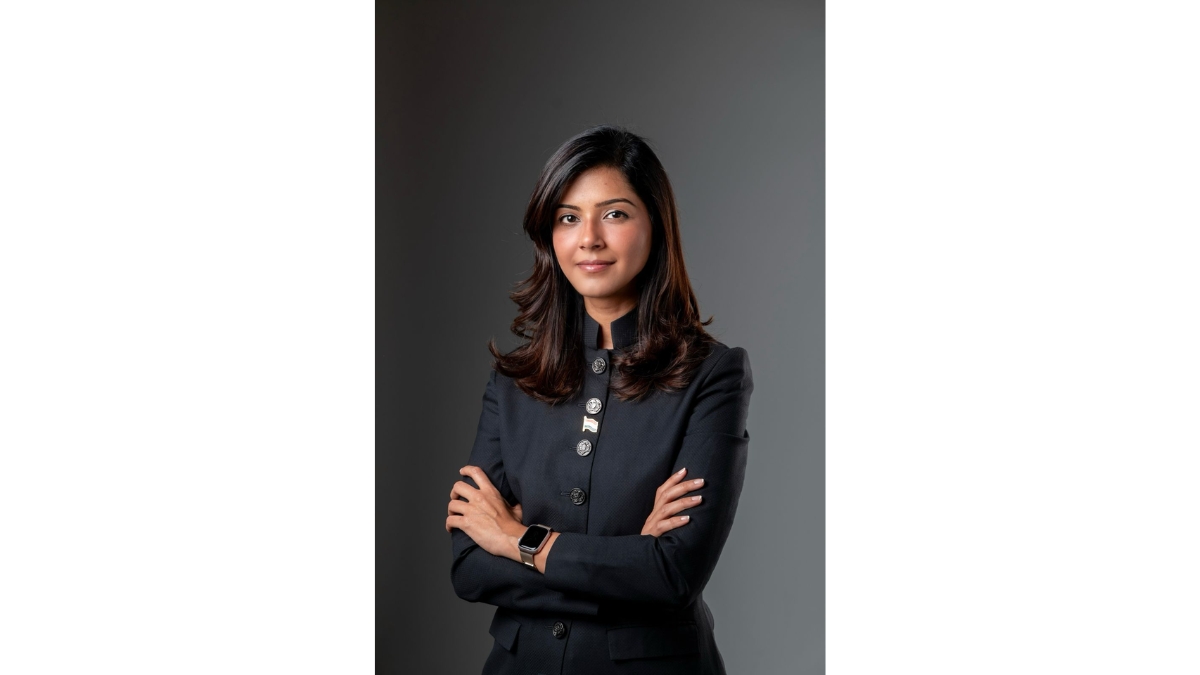
Bengaluru (Karnataka) [India], April 29: Not every change in education makes noise. Some of it happens quietly—over years, sometimes decades—through people who are more focused on building than announcing. Dr. Kiran Pai’s work sits somewhere in that space.
As Co-Founder & Pro Chancellor of Vidyashilp University, and Managing Director of the Vidyashilp Education Group, she has spent over two decades working across different layers of the system. Policy, classrooms, institutions—it’s been a mix, not a straight line.
Dr. Kiran Pai’s academic grounding and approach
Her academic background, a doctorate in Organisational Change and Leadership from the USC Rossier School of Education, explains part of the approach. There’s structure in how things are built. But the bigger story is in how that thinking has been applied over time, without rushing it.
Dr. Kiran Pai and the growth of the Vidyashilp ecosystem
The Vidyashilp ecosystem didn’t appear all at once. It grew gradually—from the long-running Vidyasagar Preschool to Vidyashilp Academy, and then to newer formats like Vidyashilp Schools and Vidyashilp University. Each step seems to respond to a gap that was already visible, rather than chasing what was trending.
Dr. Kiran Pai’s focus on learning beyond structure
There’s a certain consistency in how these institutions function. Academics matter, but so does how students actually engage with what they’re learning. The classrooms are not entirely rigid, but they’re not loose either. Somewhere in between.
Global practices are part of the mix, but they aren’t copied blindly. They’re adapted, sometimes quietly, sometimes over time. It’s less about showcasing innovation and more about making sure it works.
Dr. Kiran Pai and the focus on access
Another part of the work runs parallel to this—access. Through the Vidyashilp Community Trust, more than 3,000 students across 21 underserved schools are supported. It doesn’t feel like a separate initiative. More like an extension of the same idea.
That education should reach beyond a certain circle.
Dr. Kiran Pai’s recognition and long-term perspective
Recognition has come along the way, including being named among the World Congress’s 50 Innovative Leaders. But that’s not really what defines the work. If anything, it’s the slower, less visible parts—the building, the adjustments, the continuity.
At a time when education conversations often move fast, sometimes too fast, this kind of steady approach stands out. Not because it’s loud, but because it lasts.
